Featured
The Basic Principles Of Common Misunderstandings Regardin...
Little Known Facts About Typical False Beliefs About Bank...
The 15-Second Trick For The Pros to Consider of Bankruptcy
The Definitive Guide for Actions You Can Take to Restore ...

Some Ideas on What to Pay for Professional Debt Relief Help You Should Know
Table of Contents
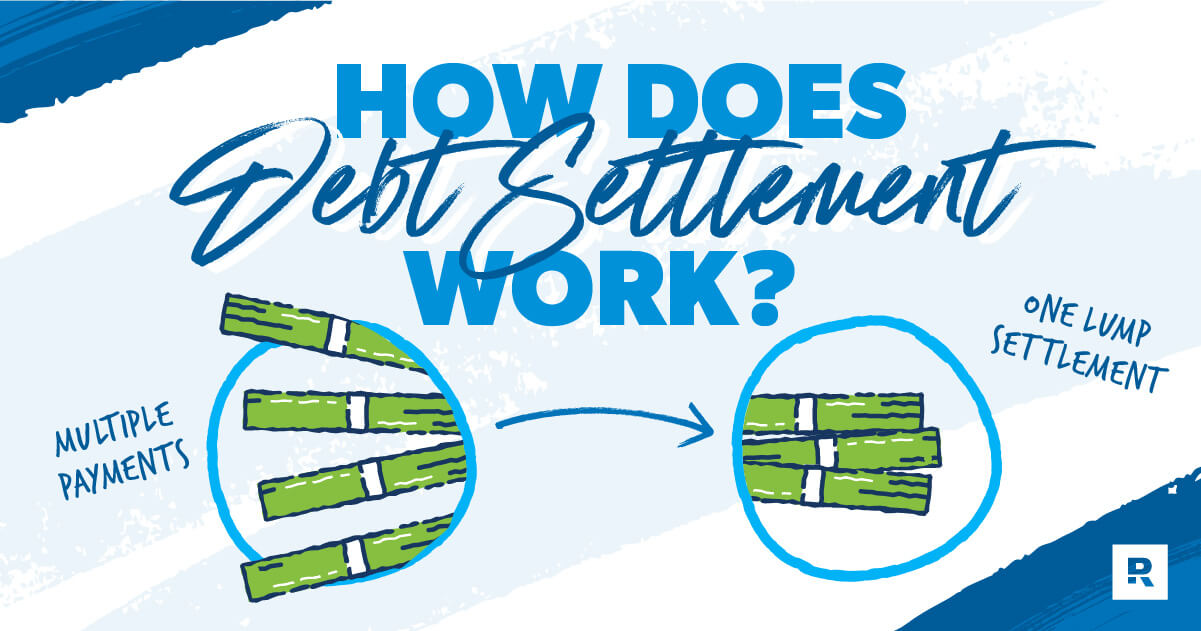
That maximizes cash in the short term, and you might have three to 4 years to save toward the negotiation quantity. Really hazardous to credit rating, largely due to missed out on settlements and an adverse "settled" mark that could stay on your debt record for up to 7 yearsMay be only choice if other choices (debt loan consolidation, balance transfer credit cards, financial obligation mercy) aren't possibleTypically requires a fee to the 3rd party, which might offset some or every one of the savings from financial obligation settlementMay assist you avoid personal bankruptcy if you've missed several paymentsNot all lenders deal with financial debt settlement business Financial debt forgiveness may be ideal for you if you are experiencing a monetary difficulty that makes it virtually impossible to pay down your financial obligation balances.
With a DMP, you make one month-to-month settlement to the debt counseling agency. Those funds are after that dispersed to creditors of your unprotected financial obligations, such as credit cards and installment financings. The agency works with your lenders to reduce rate of interest or forgo charges, yet some financial institutions may reject such concessions.
It can assist you pay down financial obligation if you're able to protect a funding rate that's reduced than the typical rate of the accounts you're consolidating. You need to refrain from racking up financial obligation on those newly gotten rid of accounts or your financial obligation might expand also greater.

That gives you lots of time to remove or substantially decrease your equilibrium while making interest-free payments.
The Of Does Credit Counseling Services : APFSC Help for Debt Management Suitable for You
You may need it if your lender or a debt collection agency ever before tries to collect on the financial debt in the future. The letter might prove you don't owe what the debt collector's documents reveal. Yes, in most instances, the internal revenue service takes into consideration forgiven debt as taxable revenue. When a loan provider forgives $600 or even more, they are needed to send you Form 1099-C.
Financial debt forgiveness or negotiation often hurts your credit scores. Anytime you clear up a financial debt for less than you owe, it may appear as "resolved" on your credit rating record and influence your credit report for 7 years from the day of negotiation. Your credit score can likewise go down considerably in the months leading to the mercy if you drop behind on repayments.
Getting The Community-Based Relief Programs Compared To Work
Tax obligation financial obligation compromise programs Tax financial obligation happens when the quantity of tax obligations you owe exceeds what you have paid. This situation often results from underreporting earnings, not filing returns promptly, or disparities found throughout an internal revenue service audit. The repercussions of gathering tax obligation financial debt are major and can consist of tax obligation liens, which provide the internal revenue service a legal claim to your home as protection for the debt.
Greater rate of interest on available credit report. Salaries and Bank Accounts IRS can impose (take) earnings and savings account to please the debt. Reduced earnings and disturbance of important monetary processes. Property Seizure In extreme situations, the IRS can take and sell residential property to cover the debt. Loss of valuable possessions and possible displacement.
Anxiety, anxiousness, and other mental health and wellness issues. Social Preconception Dealing with lawsuit from the internal revenue service can bring social stigma. Damages to credibility and partnerships. Employment Opportunities An inadequate credit rating rating due to exhaust financial obligation can restrict employment possibility. Trouble searching for or keeping a job. Government Advantages Tax financial obligation might affect eligibility for federal government benefits, such as Social Safety And Security and Medicaid.
First Consultation with APFSC - The Facts
The OIC thinks about numerous elements, consisting of the taxpayer's income, costs, possession equity, and ability to pay. Successfully working out an OIC can be complicated, calling for an extensive understanding of the internal revenue service's standards and a solid debate for why your offer straightens with your capacity to pay. It's essential to note that not all applications are accepted, and the procedure requires in-depth economic disclosure.
The internal revenue service analyzes your overall financial scenario, including your revenue, costs, asset equity, and ability to pay. You have to additionally be present with all filing and repayment needs and not remain in an open insolvency case. The IRS additionally considers your compliance history, examining whether you have a record of timely filing and paying taxes in previous years.
Get This Report about Post-Bankruptcy Help and Community Support
The application procedure for a Deal in Compromise involves several thorough actions. You need to complete and submit Internal revenue service Form 656, the Deal in Concession application, and Form 433-A (OIC), a collection details declaration for individuals. These types need comprehensive financial details, including details about your earnings, financial debts, expenses, and properties.
Back tax obligations, which are unsettled tax obligations from previous years, can considerably boost your overall IRS debt if not resolved quickly. This financial debt can accumulate rate of interest and late repayment fines, making the initial amount owed much larger over time. Failing to repay taxes can lead to the IRS taking enforcement actions, such as issuing a tax obligation lien or levy versus your residential or commercial property.
It is necessary to resolve back taxes immediately, either by paying the sum total owed or by organizing a payment plan with the IRS. By taking aggressive actions, you can avoid the accumulation of extra passion and charges, and stop more hostile collection actions by the IRS.
One common factor is the idea that the taxpayer can pay the total either as a round figure or through a repayment strategy. The internal revenue service also thinks about the taxpayer's earnings, expenditures, property equity, and future earning capacity. If these aspects indicate that the taxpayer can manage to pay even more than the offered quantity, the IRS is likely to deny the offer.
Credit Card Debt Credit Counseling Services : APFSC Help for Debt Management Demystified - Truths
Dealing with IRS financial obligation can be intricate and challenging. Tax obligation specialists, such as Certified public accountants, tax obligation lawyers, or signed up representatives, can supply important support.

Table of Contents
Latest Posts

The Basic Principles Of Common Misunderstandings Regarding Best Repayment and Forgiveness Programs for Medical Professionals

Little Known Facts About Typical False Beliefs About Bankruptcy.
The 15-Second Trick For The Pros to Consider of Bankruptcy
More
Latest Posts
The Basic Principles Of Common Misunderstandings Regarding Best Repayment and Forgiveness Programs for Medical Professionals
Little Known Facts About Typical False Beliefs About Bankruptcy.
The 15-Second Trick For The Pros to Consider of Bankruptcy